
N Scale Layout Plan: Build Your Dream Model Railroad with Niubx
The Ultimate N Scale Layout Plan: space-saving designs, track plans, and expert tips to build your perfect model railroad.
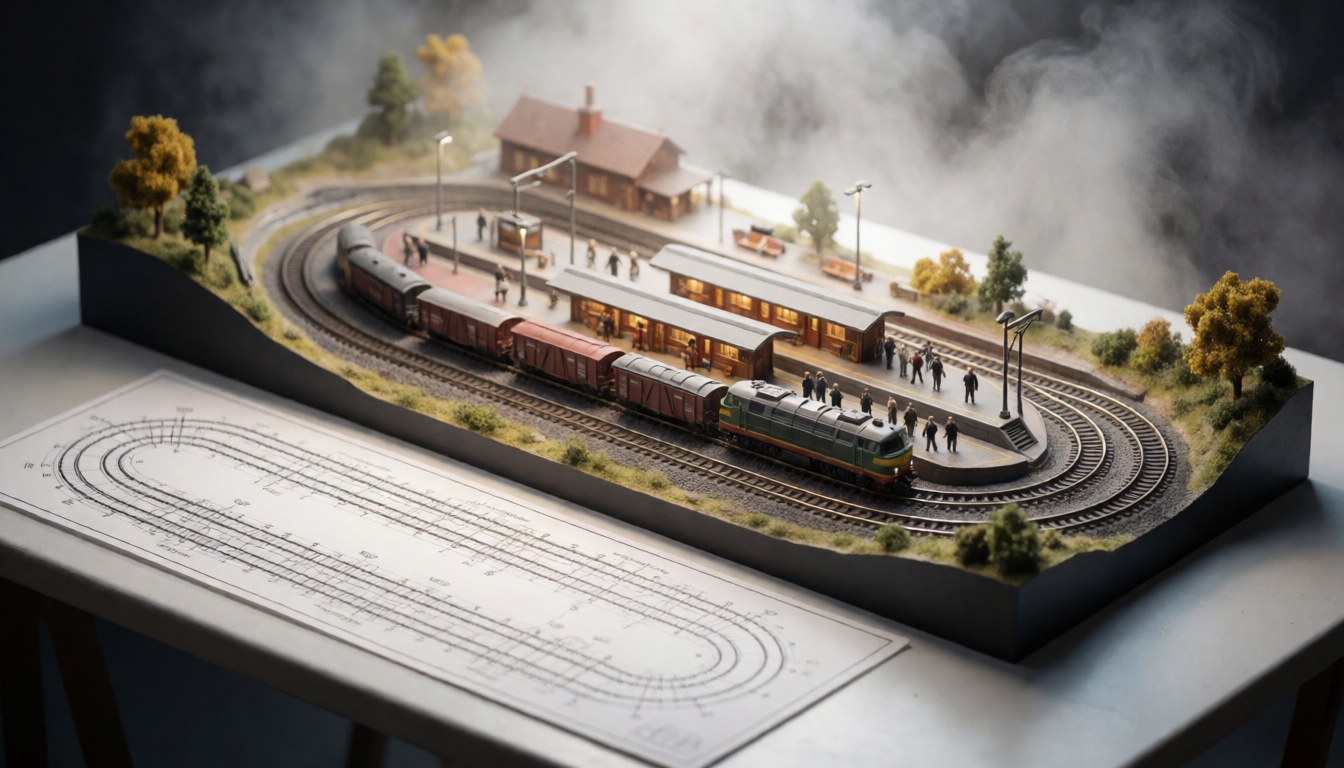
Starting an N scale layout plan is one of the most satisfying parts of model railroading. N scale (1:160) gives you room to create rich, detailed scenes with long mainline runs in surprisingly small spaces—a spare bedroom, an apartment corner, or a garage nook. Whether you’re sketching a simple first loop or dreaming of a multi-deck mountain railroad, this guide covers the choices that matter, from benchwork and trackwork to staging and scenery. And if you enjoy documenting the build, we’ll also show how a few digital tools can turn your hobby into a well-read blog.
Why N Scale Is the Perfect Choice for Your Layout Plan
The biggest advantage of an N scale layout plan is space efficiency. N scale is roughly half the length of HO scale, so a 4×8-foot table can hold a surprisingly complete railroad—a sweeping mainline, a small town, a mountain pass—while an HO version of the same design would feel tight and limited. That extra breathing room makes N scale ideal for modelers who want scenery and operation, not just a train going in circles.
Because the equipment is smaller, you can also fit longer passing sidings, larger yards, and more believable curves. A 12-foot straight run in N scale represents more than 1,900 feet of prototype railroad, which is enough to give your layout a genuine sense of distance and depth. That kind of scene is hard to achieve in larger scales without a huge room.
Before you settle on a specific n scale layout plan, think about a few basics:
- Room size and shape: Measure everything, including doorways, windows, and obstructions.
- Operating style: Do you want continuous running, switching puzzles, or realistic point-to-point operations?
- Budget and time: N scale components are affordable, but track, scenery, and wiring add up faster than you expect.
- Expandability: A modular or incremental plan lets you grow your layout over time.
Essential Space Planning for an N Scale Layout Plan
Your space determines everything. Start by measuring the room carefully, then sketch a floor plan with furniture, doors, and electrical outlets marked. A realistic N scale layout plan should leave room not just for track, but also for your hands, your eyes, and your future maintenance needs.
Reach Limits and Aisle Widths
For most adults, a comfortable reach from the edge of the benchwork is about 24 to 30 inches. If you build a peninsula wider than that, you will struggle to rerail cars or clean track in the middle. Plan at least 24 inches of aisle space for one person, and 36 inches if you host operating sessions with friends. Following these ergonomic rules keeps the layout fun instead of frustrating.
Layout Shapes for Tight Spaces
- Around-the-wall shelves: Use 12–18 inch deep shelves along the walls to maximize mainline length in a small room.
- Island tables: A 4×8 or 5×9 peninsula works well as a central operating area with access from all sides.
- Fold-up or drop-leaf designs: Excellent for apartments and shared spaces. A folded N scale layout plan can hide inside a closet or under a bed.
Popular N Scale Layout Plan Types and Track Designs
Your track plan defines the personality of your railroad. Here are the most popular designs to consider.
Loop: Simple Oval and Dogbone
The classic oval is the best starting point because it offers continuous running with minimal complexity. A dogbone—two loops connected by a double-tracked straight section—adds visual interest and lets trains run through a scenic corridor and return. Both designs are ideal for beginners and make excellent foundations for an N scale layout plan that is easy to operate and expand.
Point-to-Point: Realistic Operations
Point-to-point layouts simulate real railroading by running trains between two terminals. You need a hidden staging yard at each end to hold inbound and outbound trains. This design requires more careful planning but rewards you with realistic switching, timetable operations, and a genuine sense of travel.
L-Shape, U-Shape, and Shelf Layouts
- L-shape layouts wrap around the corner of a room, giving you two long walls of running track.
- U-shape layouts use three walls and create a natural operating well in the center.
- Shelf layouts are narrow, scenic vignettes that can run along an entire wall or even through doorways.
Whichever style you choose, add sidings, crossovers, and runaround tracks to your N scale layout plan. These features allow trains to pass each other, switch industries, and recreate the choreography of real railroading.
Benchwork and Base Materials for N Scale Layouts
Good benchwork is the invisible hero of model railroading. For N scale, you don’t need heavy lumber—lightweight materials make the layout easier to build, move, and modify.
Choosing the Right Materials
½-inch plywood is a sturdy, affordable base for most layouts. For an even lighter option, use extruded foam insulation board (pink or blue) over a simple wooden frame. Foam is easy to carve for rivers, hills, and road cuts, and it naturally dampens sound.
Build Styles to Match Your Plan
- Cookie-cutter: A plywood top cut into contoured shapes below the track bed, great for scenery and access.
- Hollow frame: A ladder-like frame with open spaces keeps weight down and simplifies under-table wiring and switch machines.
- Modular sections: Build your N scale layout plan in movable 2-foot or 4-foot sections. This makes transport, expansion, and future home changes much easier.
Add cork or foam underlayment beneath your track. It reduces the clickety-clack of rolling wheels, hides minor imperfections in the sub-roadbed, and gives you a natural base for ballasting later.
Designing Staging, Yards, and Scenic Breaks in N Scale
A great N scale layout plan is more than loops and sidings—it’s a miniature world with hidden secrets.
Staging Yards
A hidden staging yard behind a backdrop or under a mountain works like the wings of a theater. It stores trains that “arrive” from off-layout destinations, giving you instant variety without a giant visible yard. Use staging tracks of 36–60 inches to accommodate long N scale trains, and add a simple ladder with turnouts to route trains in and out.
Turnouts and Ladder Tracks
When designing yards, remember that N scale rolling stock is long. A single locomotive and 10 freight cars can easily stretch 40 inches. Keep turnout spacing generous and use #6 or larger turnouts in mainline yards to prevent derailments and uncoupling headaches.
Scenic Breaks and View Blocks
Use tunnels, trees, rock cuts, and buildings to hide track and create the illusion of distance. A well-placed scenic break divides your layout into distinct scenes, so a 12-foot wall feels like a journey across an entire region. This is one of the most effective storytelling tools in any N scale layout plan.
Trackwork and Wiring Tips for Reliable N Scale Operation
Smooth-running track and clean wiring are the backbone of reliable operation—and the place where many modelers get stuck.
Code 80 vs. Code 55 Track
- Code 80 rail is taller and more forgiving. It accepts flanges from all brands of N scale wheels and is ideal for beginners.
- Code 55 rail is shorter and more realistic, but it requires compatible rolling stock and careful installation.
If you prioritize hassle-free running, start with code 80. If you crave photo-realistic track, gradually transition to code 55 and test each piece of rolling stock.
Avoiding Derailments
Lay straight turnouts on flat, level surfaces and ensure that every rail joint is smooth. Use transition tracks when connecting different rail heights, and check wheel back-to-back measurements on older freight cars. Good track geometry makes an N scale layout plan operate with quiet confidence.
DC Blocks vs. DCC Power Districts
For a small DC layout, wire the track into blocks—sections isolated by gaps with a switch to send power to each. For DCC, divide your layout into several power districts with circuit breakers. This prevents a single short circuit from shutting down your entire railroad. Label everything and run bus wires with feeders every few feet for consistent voltage.
Advanced N Scale Layout Plan Ideas and Customization
Once you’ve mastered the basics, the sky is the limit. Here are advanced concepts to push your n scale layout plan into the next tier.
Grades and Multi-Level Decks
N scale’s small footprint makes it perfect for grades and multi-level designs. You can climb a 2–3% grade to a logging line high in the hills, then loop down through a helix to a lower industrial district. A helix—a spiral of track that connects levels—requires careful radius planning but adds enormous operating depth.
Themed Industries and Urban Scenes
Give your railroad a reason to exist. Model a coal mine, grain elevator, intermodal yard, or historic downtown and design switching moves around those industries. Themed operations make every operating session feel purposeful.
Use Design Software to Test Your Plan
Before you cut a single sheet of plywood, test your design in digital tools like AnyRail or SCARM. These programs let you place turnouts, check curve radii, and calculate clearances. They can also generate a parts list, saving you money and eliminating trial-and-error.
Common Mistakes to Avoid
- Choosing a plan that is too big for your available time and budget.
- Skimping on aisle widths and reach access.
- Using tight-radius curves that stall long locomotives.
- Forgetting to plan for future expansion and maintenance.
Bring Your Layout Story to Life Online
Building an N scale layout plan is a journey worth sharing. Documenting your progress—with photos, videos, and written guides—not only helps other modelers but can also build a loyal community around your work. This is where Niubx Autopilot SEO Content Engine comes in. It helps you turn your weekly build logs into search-optimized content that railroad enthusiasts can actually find. If you’re serious about growing a hobby blog, the Starter Plan gives you an affordable foundation, while the Scale Plan adds advanced tools for scaling your content as your audience grows.
Need to publish your layout documentation on your own site? Niubx integrates with popular platforms. The WordPress Plugin helps you optimize every article, and the Shopify Plugin does the same if you sell model railroad products or custom layouts online. To choose the right tools for your blog, check out the SEO Content Optimization Tool guide and learn how to select and configure plugins with the Ultimate Guide to WordPress Plugins. For deeper technical advice, the WordPress Module Plugin guide covers everything from security to performance.
Final Thoughts on Your N Scale Layout Plan
A well-designed N scale layout plan is a gateway to endless creativity. Start with a clear understanding of your space, choose a track design that matches your goals, build solid benchwork, and wire everything for reliability. Then let your imagination take over—